
About three years ago, I started a meditation practice with the help of the Calm app on my phone. To say it has been helpful would be an understatement of epic proportions. Meditation has changed my life so much for the better, I often find myself trying to remember how I lived without it. Meditation has been a true gift for me for many reasons, not the least of which is that I live with less anxiety and more compassion than I used to.
A few weeks ago, my meditation teacher made a statement that I continue to try to wrap my head around as it was so profound, I have been trying to determine how I can apply it to my life and to that of those I work with in therapy. The statement was this: “Acceptance is radical self-compassion.” What a meaningful thought, what weight this carries with me and likely with countless others. We in my profession speak much about the need for folks to practice self-compassion, sometimes without really explaining what that means, what it can look like and what it can sound like.
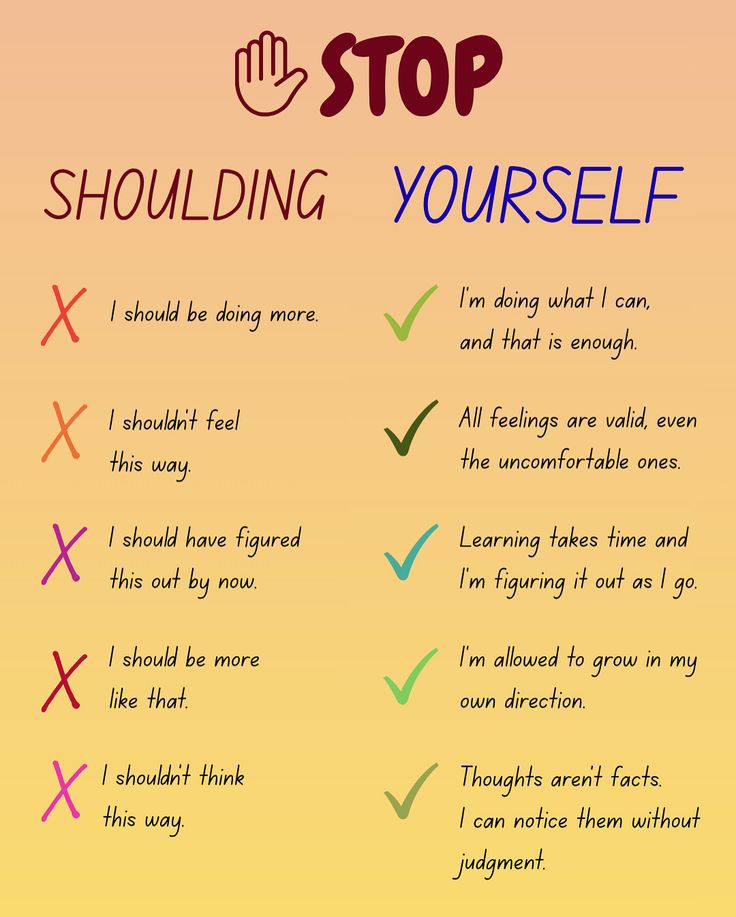
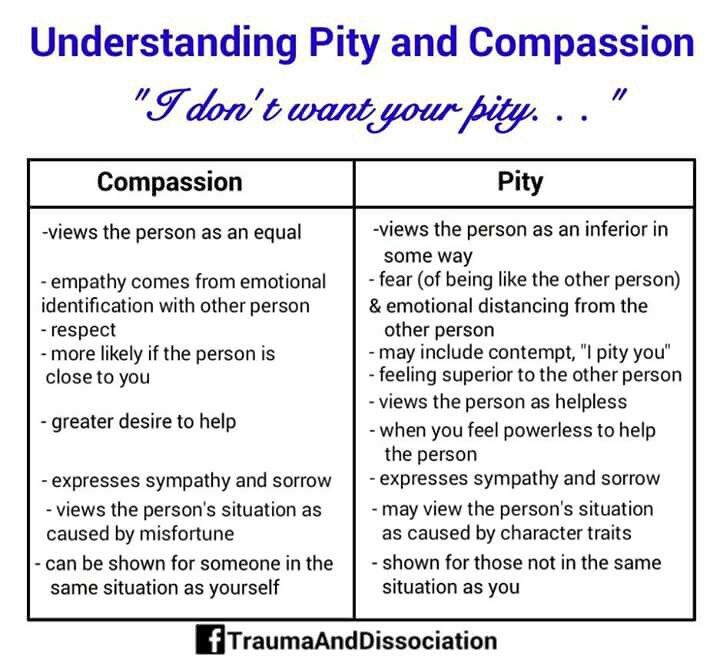
Self-compassion is so much more than being kind to yourself or loving yourself. It is the practice (notice I say “practice”) of offering yourself the same kindness, grace and space that you might offer any other human, be it your best friend, a sibling, a coworker, a parent. Self-compassion is the practice of speaking to yourself in a loving fashion. It is being your own cheerleader, rather than your own worst critic.
So, if that is true, that self-compassion is kindness and love directed inward, then it must also be true that acceptance is radical self-compassion. What, then, is acceptance? In its purest form, acceptance, according to Merriam-Webster is: the quality or state of being accepted or acceptable; and, the act of accepting something or someone; the fact of being accepted. And, what does that all mean?
Acceptance, to me, means that we stop arguing with ourselves about what is true in our lives. It means we stop wishing things were different. It means we stop wishing our bodies were different. It means we stop wishing we could magically change our circumstances without putting in any effort. It means we stop fighting the aging process. It means we have the courage to accept things the way they are while working to make things the way we need them to be. Acceptance, in many ways, reminds me of the Serenity Prayer:
God grand me the serenity to accept the things I cannot change,
The courage to change the things I can,
And, the wisdom to know the difference.
Most of us are fighting something in our lives. Be it something to do with work, or family, or friends, our children, our pets, ourselves, most of us are in some way wishing things were different. What would happen if things could not be any different? What if things stayed exactly as they are? Would you be okay? Would knowing that you would be okay if nothing were to change make you feel any differently about any given situation? Would reminding yourself that you can accept things as they are while working to improve them make you feel any differently about the situation? The likelihood that things will change dramatically on their own likely is pretty slim. But, you have some power to change your own circumstances depending on what course of action you decide to take.
Acceptance does not mean resignation, or that you capitulate and simply give up. Acceptance means that you acknowledge your situation and then decide what you want to do with that situation. The self-compassion part means that you speak to yourself kindly about whatever it is that is happening and tell yourself that whatever is happening, you are doing the best with what you have right now. Acceptance is radical self-compassion.
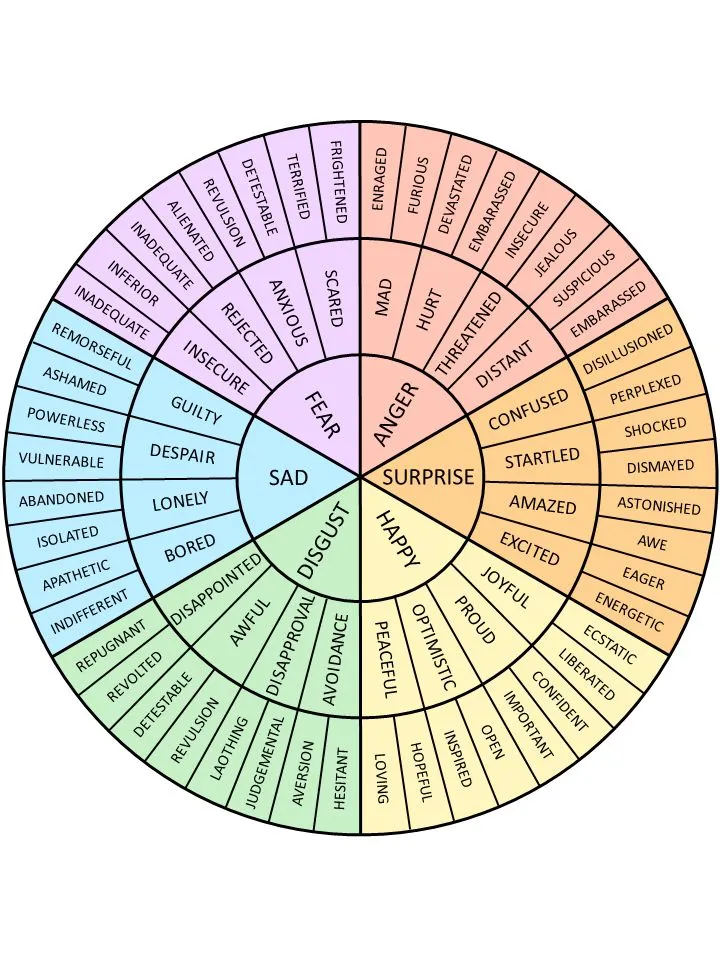
Offering ourselves compassion does not mean that we let ourselves off the hook. It means that we are kind to ourselves about our circumstances AND accountable for our actions while we work toward what we want. Self-compassion reminds us that we cannot shame ourselves into feeling better or doing better. Self-compassion asks us to acknowledge our situation, assess both our feelings and our thoughts, and consider what tools we have in our tool belts to elicit change. Self-compassion is kindness and curiosity working together. Acceptance is radical self-compassion.
How can you incorporate acceptance as self-compassion in your life? Is there a situation demanding some self-compassion? Is there a situation requiring acceptance? How can you be kind to yourself while holding yourself accountable? What can that look, sound and feel like?
Karri Christiansen, MSW, LSW, CADC, CCTP